
Blog
Understanding the A/C Compressor Control Valve

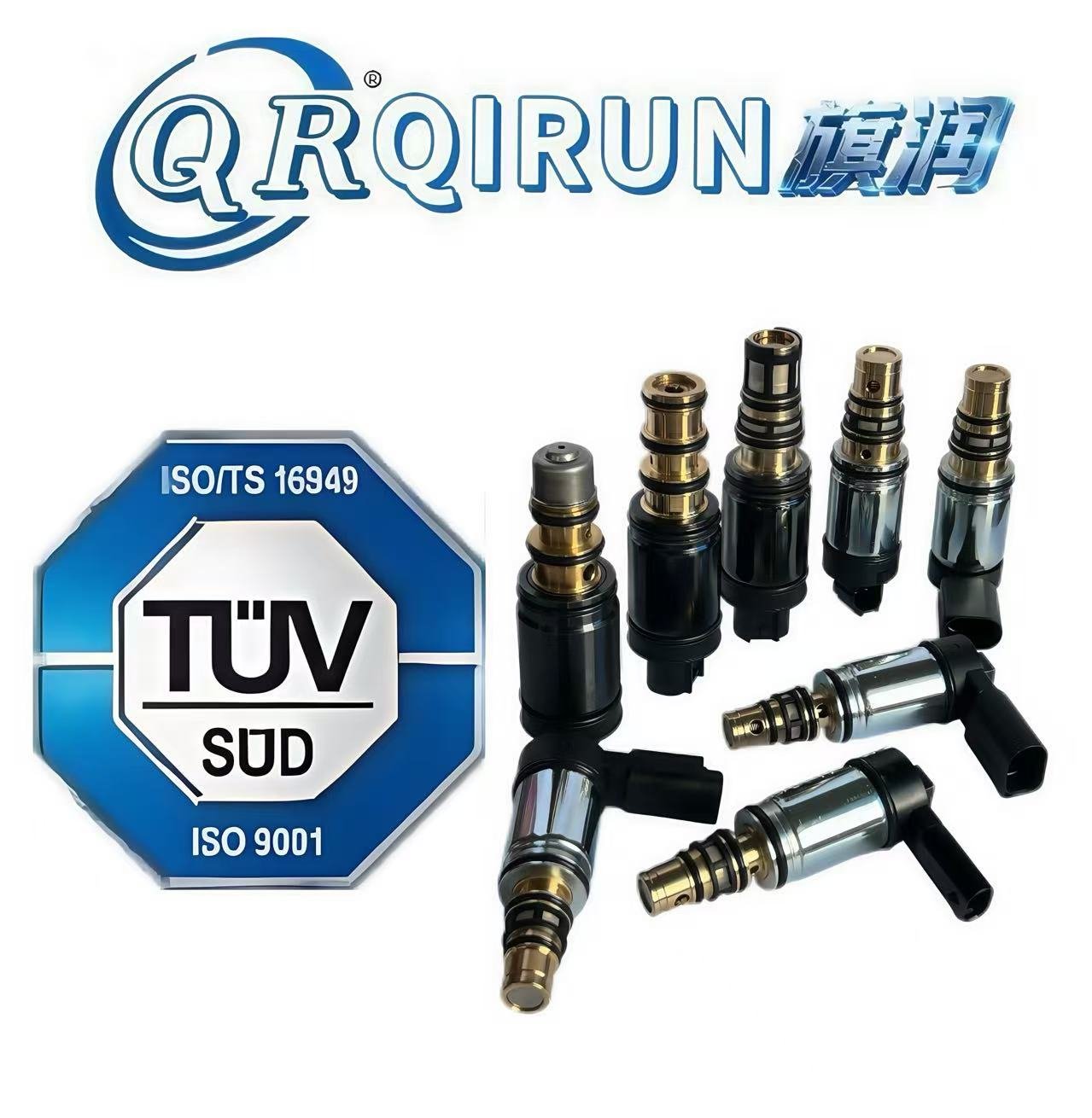
A/C Compressor Control Valve: Function, Symptoms, and Replacement Tips
In modern automotive A/C systems, the Compressor Control Valve plays a critical role. It regulates the flow of refrigerant into the compressor, allowing the air conditioning system to maintain proper pressure and cooling performance.
What Is a Compressor Control Valve?
The control valve is located on the A/C compressor—usually on the side opposite the pulley. It adjusts the amount of refrigerant entering the compressor to match the system’s cooling demands.
There are two types of control valves:
- Electronic Control Valve (ECV): Found in newer vehicles; managed by the car’s ECU for precise control.
- Manual (Mechanical) Control Valve: Found in older systems; mechanically operated based on pressure differences.
Main Functions
- Regulates refrigerant flow into the compressor
- Controls the displacement of the compressor
- Ensures stable system pressure and cooling
- Reduces engine load and improves fuel efficiency
Symptoms of a Faulty Control Valve
If the compressor control valve malfunctions, you might experience:
- Weak or inconsistent cooling
- Frequent compressor cycling (on/off behavior)
- Strange noises from the compressor (buzzing, rattling)
- Oil or refrigerant leaks around the compressor
Pro tip: Many A/C performance issues can be traced back to the control valve. Replacing the valve is often far cheaper than replacing the entire compressor.
Should You Replace the Valve or the Whole Compressor?
This is one of the most common questions for car owners:
“Should I replace just the control valve, or do I need a new compressor?”
Replace the Control Valve If:
- The A/C system still runs but cooling is weak
- No strange noises from the compressor
- Diagnostics point to a valve issue
Replace the Entire Compressor If:
- The compressor won’t start or makes loud noises
- There are visible leaks or damage
- Metal debris found in the system (sign of internal failure)
How to Shop for a Replacement Control Valve
- Ensure compatibility with your vehicle’s make, model, and engine size (e.g.,
1.5L engine) - Identify the correct type: electronic or manual
- Choose OEM parts when possible, or reputable aftermarket brands
- For variable displacement compressors, look for pressure control valves
Conclusion
The compressor control valve may be small, but it plays a huge role in your vehicle’s air conditioning performance. For cars with a 1.5L engine, it’s common to have compact and efficient A/C systems that rely on electronic control valves.
Before replacing the entire compressor, always check if the control valve is the root of the problem. It could save you hundreds in repair costs.
Got A/C issues? Inspect your control valve first — it might be all you need.