
Blog
A/C Compressor Control Valve: Function and Importance in Air Conditioning Systems

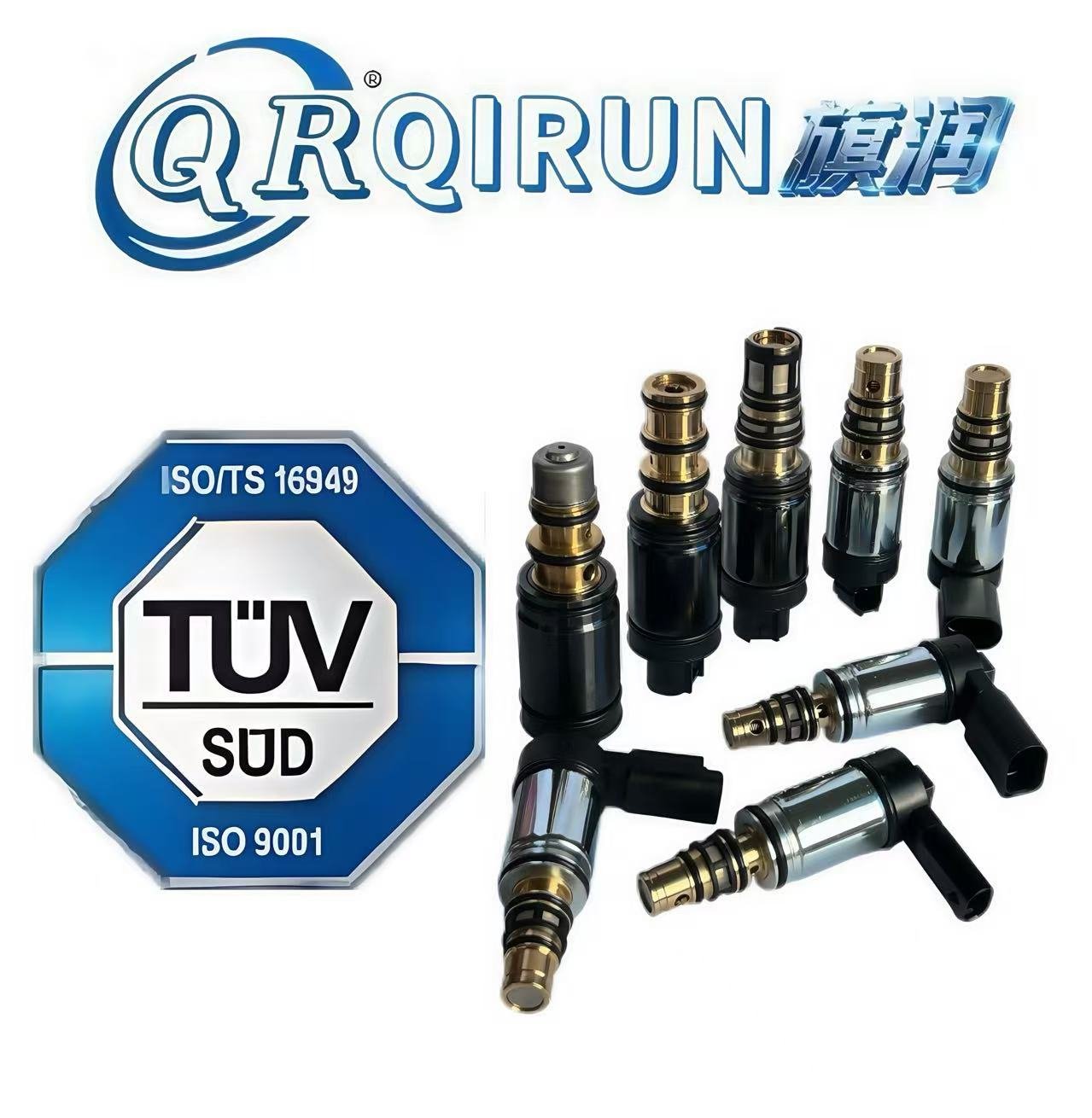
The Function of the A/C Compressor Control Valve: Key to Efficient Air Conditioning
Introduction
Air conditioning systems are crucial for maintaining comfort, particularly in hot climates. Whether it’s your home, office, or vehicle, efficient cooling is made possible by a series of components working in sync. One such key component is the A/C compressor control valve. In this blog, we will explore the vital role of the A/C compressor control valve, its mechanism, why it’s important, and how to maintain it for optimal performance. By understanding its function, you can improve the lifespan of your A/C system and reduce the likelihood of costly repairs.
Let’s dive deeper into the subject!
What is an A/C Compressor Control Valve?
The A/C compressor control valve is an integral component of air conditioning systems, particularly in modern HVAC (Heating, Ventilation, and Air Conditioning) designs. It regulates the refrigerant flow to the compressor, ensuring that the system operates at optimal efficiency. The compressor control valve modulates the refrigerant’s pressure and flow, depending on the cooling needs of the system. This functionality is essential because it helps manage the load on the compressor, which in turn controls energy consumption and performance.
Without a properly functioning compressor control valve, your air conditioning system would struggle to maintain desired temperatures, leading to inefficient cooling, increased wear and tear, and higher energy bills.
How Does the A/C Compressor Control Valve Work?
The A/C compressor control valve operates by adjusting the refrigerant flow based on the system’s cooling demands. Here’s a detailed breakdown of how it works:
- Pressure Regulation: The control valve ensures that refrigerant is delivered to the compressor at the right pressure. It senses the internal system pressure and adjusts the flow accordingly, helping the compressor avoid being overloaded.
- Refrigerant Flow Modulation: The valve is essentially a flow control device. It opens or closes based on the cooling requirements. When more cooling is needed, the valve opens wider to allow more refrigerant through. Conversely, when less cooling is required, the valve restricts the flow, saving energy and reducing compressor strain.
- Variable Displacement: In systems with variable displacement compressors, the control valve adjusts the compressor’s displacement, which changes the amount of refrigerant pumped per cycle. This ensures that only the necessary amount of refrigerant is processed at any given time.
In essence, the A/C compressor control valve serves as the “brain” behind the refrigerant flow, ensuring that your A/C system only uses as much refrigerant as necessary for the current cooling needs.
Why is the A/C Compressor Control Valve Important?
The A/C compressor control valve plays a crucial role in the efficiency, longevity, and performance of your air conditioning system. Here’s a closer look at its importance:
1. Energy Efficiency
Energy efficiency is one of the primary reasons the A/C compressor control valve is so important. By regulating refrigerant flow and compressor speed, the control valve ensures that the system operates only at the required capacity. This reduces unnecessary energy consumption and helps keep electricity bills in check. When the valve works correctly, your system doesn’t have to run at full power all the time, making the operation much more cost-effective.
2. Improved Cooling Performance
Another key benefit of the A/C compressor control valve is its ability to optimize the cooling performance of your system. By modulating the flow of refrigerant, it ensures that the system responds effectively to changes in temperature and humidity. For example, if the outside temperature suddenly rises, the control valve will adjust the refrigerant flow to meet the increased demand for cooling, providing consistent comfort inside.
3. System Longevity
Without a control valve, the compressor would be subjected to more stress, potentially causing it to overheat or wear out prematurely. The A/C compressor control valve helps prevent these issues by reducing the strain on the compressor, which extends the overall lifespan of the entire system. This means fewer repairs and a more reliable air conditioning system over time.
4. Preventing Overheating
Overheating is one of the most common causes of air conditioner failure. The control valve prevents the system from operating at excessive pressures, which could lead to overheating. By controlling refrigerant flow and compressor pressure, it keeps temperatures within safe operating limits, reducing the risk of system damage.
Common Issues with A/C Compressor Control Valves
While the A/C compressor control valve is built to last, various issues can still arise that affect its functionality. Here are some common problems you might encounter:
1. Clogging or Blockages
Over time, dirt, debris, or even moisture can accumulate inside the valve, blocking the refrigerant flow. This can lead to a decrease in system performance, with the air conditioning struggling to maintain desired temperatures. In some cases, clogging can cause the compressor to work harder than necessary, leading to excessive wear.
2. Valve Leaks
Leaks around the valve seals are another common issue. When this happens, refrigerant can escape from the system, resulting in poor cooling performance and potentially a complete system failure if not addressed promptly. Refrigerant leaks can also contribute to environmental harm, making it essential to fix any leaks as soon as possible.
3. Failure to Open or Close Properly
If the control valve becomes stuck or is not functioning properly, it may fail to open or close at the appropriate times. This can lead to an imbalance in the refrigerant flow, causing either a lack of cooling or overcooling. This problem often stems from wear and tear or internal damage to the valve components.
4. Inconsistent Temperature Regulation
If the A/C system isn’t properly cooling or maintaining a consistent temperature, the control valve may not be modulating the refrigerant flow correctly. This can be due to issues such as sensor malfunctions or valve misalignment. When the valve fails to respond to the system’s demands, it leads to fluctuating temperatures and discomfort.
How to Maintain Your A/C Compressor Control Valve
Maintaining the A/C compressor control valve is crucial to keeping your air conditioning system in top shape. Regular maintenance helps prevent many common issues and ensures long-term reliability. Here are some steps to help maintain your system:
1. Regular System Inspections
Have a certified HVAC technician inspect your system regularly. A routine inspection will help identify any potential issues with the control valve or other components of the A/C system. Early detection can save you from costly repairs down the road.
2. Check Refrigerant Levels
Ensure that your system has the correct refrigerant level. Low refrigerant levels often result in poor cooling performance and put extra strain on the compressor. Your technician can check and refill refrigerant as needed, ensuring the system operates efficiently.
3. Keep the System Clean
Regularly clean the A/C system, including the condenser coils, evaporator coils, and the area around the compressor control valve. This prevents dirt and debris from clogging the system and helps maintain smooth operation.
4. Replace Worn Parts
Over time, certain components of the A/C system, including seals and gaskets around the control valve, may wear out. Replacing these worn parts as soon as possible prevents leaks and ensures the system continues to function efficiently.
Conclusion
The A/C compressor control valve is a small but incredibly important component that plays a crucial role in ensuring your air conditioning system operates efficiently. By regulating refrigerant flow and pressure, it helps improve energy efficiency, cooling performance, and system longevity. Understanding how the valve works and how to maintain it is essential for keeping your A/C system in good condition for years to come.
If you notice any signs of malfunction with your A/C system, it’s important to get the control valve checked and repaired as soon as possible. Regular maintenance and timely repairs can prevent costly breakdowns and keep your system running smoothly.
Stay cool, stay comfortable!