
Blog
AC Compressor Control Valve Location and Importance

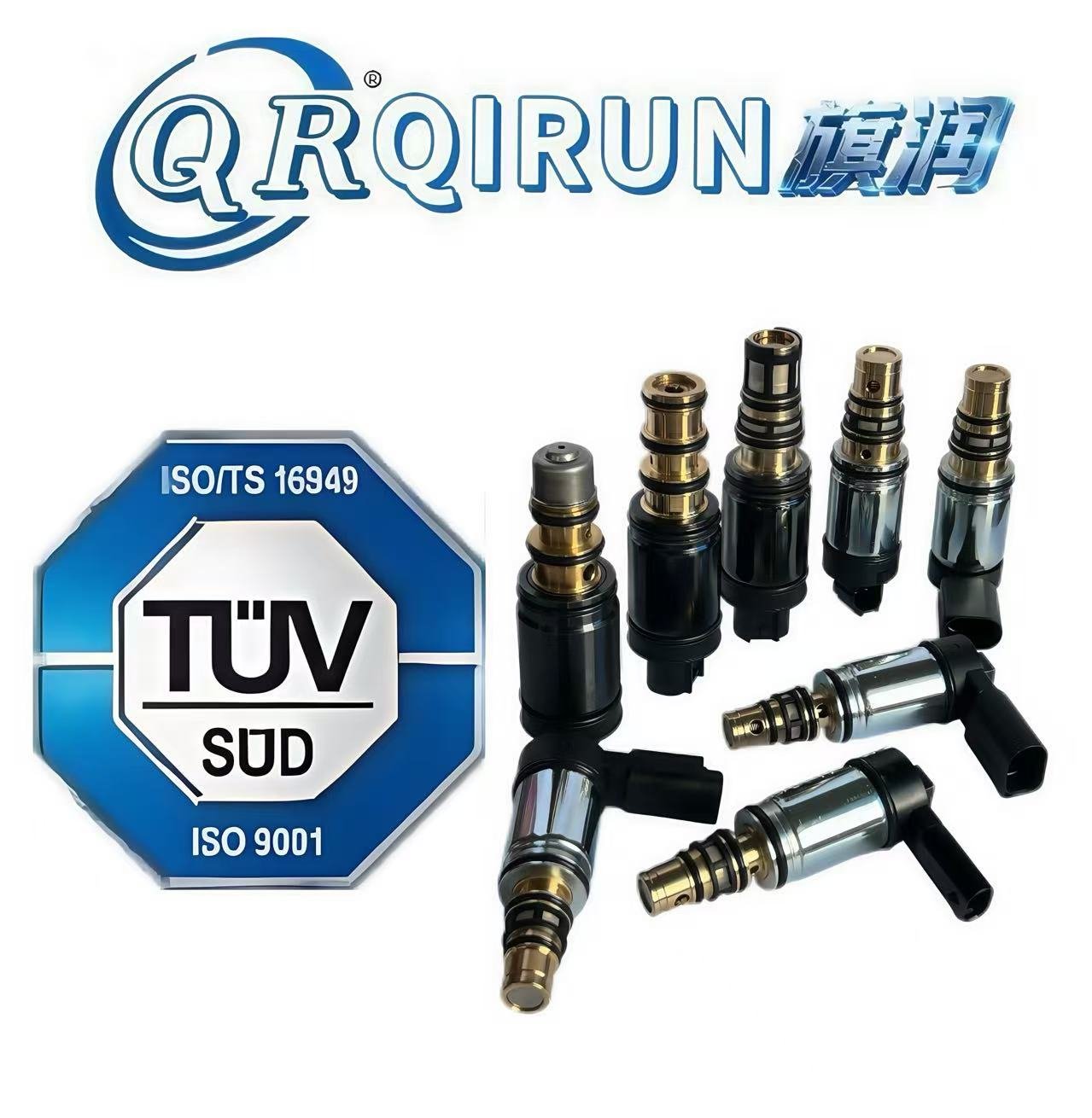
AC Compressor Control Valve Location and Importance
In modern vehicles, the AC Compressor Control Valve plays a crucial role in regulating refrigerant flow and ensuring optimal cooling performance. In this blog post, we will explore the location, function, and importance of the AC compressor control valve, and why it is essential to maintain it.
What is an AC Compressor Control Valve?
The AC Compressor Control Valve is a vital component in your vehicle’s air conditioning system. Its primary function is to regulate the amount of refrigerant flowing into the compressor, ensuring that the system operates efficiently under varying conditions. This valve is crucial for maintaining consistent performance, especially in variable displacement compressors, where the valve adjusts the compressor’s capacity based on the cooling demand.
Location of the AC Compressor Control Valve
The AC Compressor Control Valve is usually located directly on the compressor. It is typically positioned near the refrigerant inlet or suction port, which is often opposite the side where the pulley is located. Here’s where you can generally find the valve:
Common Locations in Different Vehicles
- Toyota: In many Toyota models, the control valve is located on the side of the compressor, near the suction port.
- BMW and Audi: For these models, the control valve is often integrated into the compressor housing, making it more compact.
- Ford or Chevrolet: Similar to other brands, the valve is located on the side of the compressor or along the refrigerant flow path.
How to Access the Control Valve
To access the control valve, you may need to remove certain components such as the air conditioning hoses or the drive belt. Additionally, before performing any work on the A/C system, it’s essential to discharge the refrigerant to avoid any safety hazards.
Why is the AC Compressor Control Valve Important?
The control valve is critical because it ensures the refrigerant flow is balanced and stable, preventing excessive pressure or flow imbalances that can damage the compressor or reduce the system’s efficiency. Without a properly functioning valve, the A/C system may experience:
- Weak or no cooling performance
- Frequent cycling of the compressor
- Overheating or failure of the compressor
- Pressure instability in the A/C system
“The AC Compressor Control Valve ensures balanced refrigerant flow, preventing compressor damage and ensuring system efficiency.”
When to Replace the AC Compressor Control Valve?
If you notice any of the following symptoms, it could indicate a faulty control valve that needs replacement:
- Reduced or no cooling from the A/C system
- Frequent cycling of the compressor (turning on and off)
- Strange noises coming from the compressor
- Visible refrigerant leaks near the valve area
Recommended Replacement
If the control valve is malfunctioning, it is highly recommended to replace it with a high-quality replacement valve. A durable valve made from metal and plastic materials can ensure long-lasting performance, even in high-pressure and high-temperature environments.
Buy Replacement Control Valve NowConclusion
The AC Compressor Control Valve is an essential component of your vehicle’s A/C system, helping to regulate refrigerant flow and maintain optimal cooling performance. Regular maintenance and timely replacement of the control valve will ensure your A/C system operates efficiently and prevent unnecessary damage to the compressor.
Don’t wait for your A/C system to fail—regularly inspect and replace your control valve to keep your air conditioning working like new!